Black Oak Tree
The mighty native Black Oak Tree (Quercus velutina) is very similar in appearance to the Red Oak but the main differences include the Black Oaks ability to thrive in poor and varied soils and having rounded lobed leaves more like White Oaks!
The green leaves have a notably velvety underside! Black Oak produces a good crop of acorns that provide wildlife with food.
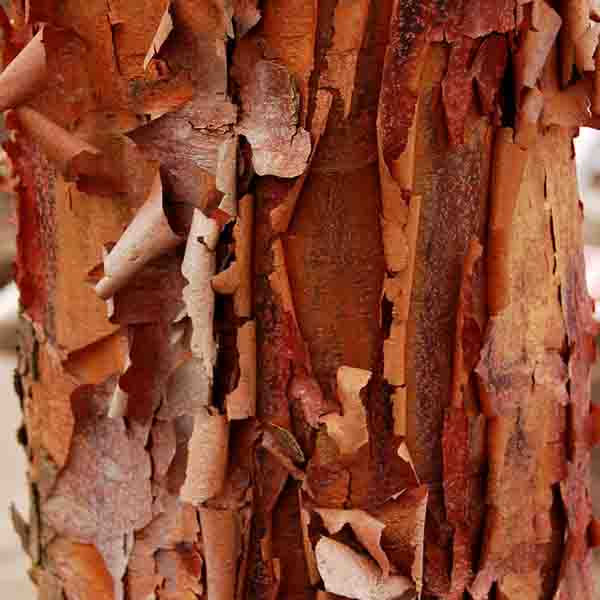
It is sometimes called Yellow oak, Quercitron, Yellowbark Oak, or Smoothbark Oak, and this deciduous tree has deeply furrowed bark and on mature trees is nearly black, leading to its name! The thick, nearly-black bark is marked with deep furrows and irregularly broken ridges. The characteristic inner bark is bright yellow to orange, hence the alternate common name of Yellow Oak.
The wood, while hard and strong, is not as tough as the Red Oak. Still, it is used in much the same way. Historically, the inner bark was important for its tannin and as a source of yellow dye.
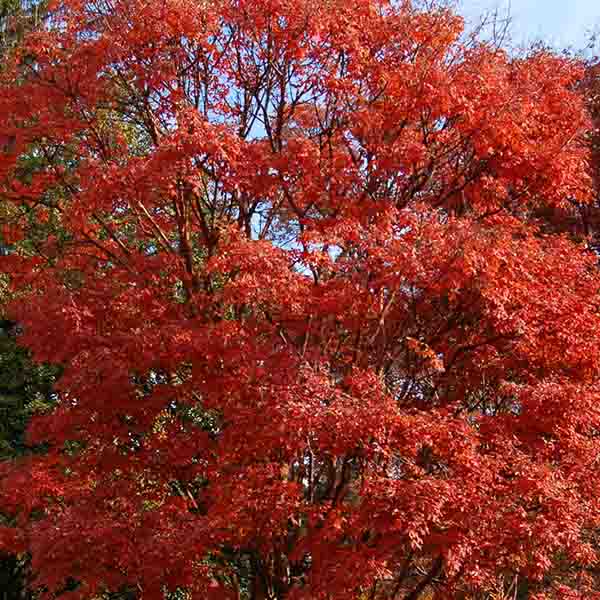
Hardy throughout USDA planting zones 3 to 8, the Black Oak is a resilient native that is cold-hardy and highly adaptable! The Yellow Oak name rings true once again in the autumn when its foliage erupts into vibrant shades of yellow-orange in the fall!
Landscape Application:
Black Oak is not extensively planted as an ornamental and shade tree but its fall color contributes greatly to the aesthetic value of Oak forests! Wildlife adore Oak trees for their acorns and Black Oaks generally have a good crop of acorns every 2 to 3 years and it can take a couple of years for the acorns to ripen on the tree before dropping. Forming an open round crown and sturdy straight trunk, these become outstanding legacy trees and are native keystone species!
The strong limbs make the Black Oak ideal for shelterbelts and windbreaks throughout your property, adding lush shade to large landscapes, and can grow into large specimen trees 60 - 80 feet tall and 40 - 50 feet wide. This medium-growth rate Oak tree thrives on dry uplands, slopes, and ridges.
- Rounded Lobes & Fuzzy Undersides
- Brilliant Yellow-Orange Fall Color
- Straight Trunk With Dark Deeply Furrowed Bark
- Deciduous Trees That Lose Foliage In The Fall
- Strong Limbs - Great Windbreak, Wildlife & Shelterbelt Trees
- Red Oak Family
- Wonderful Shade & Specimen Trees
#ProPlantTips for Care:
Black Oak trees occur naturally on poor sandy or clay hillsides and need full sun to grow their best. Any well-drained type of soil works great for these trees and new installations need regular deep waterings to establish a large drought-tolerant root system. Mulch supports the tree's growth and you should prune when the tree is dormant to correct shape and damaged branches.
- Need Full Sun
- Well-Drained Soil
- Moderate Moisture Needs
- Prune When Dormant
- Low-Maintenance Deciduous Trees!
Because of its significant wildlife value, the Black Oak is an important tree to add to your Oak tree collection! Order yours today at NatureHills.com!
Original: $54.87
-70%$54.87
$16.46Product Information
Product Information
Shipping & Returns
Shipping & Returns
Description
The mighty native Black Oak Tree (Quercus velutina) is very similar in appearance to the Red Oak but the main differences include the Black Oaks ability to thrive in poor and varied soils and having rounded lobed leaves more like White Oaks!
The green leaves have a notably velvety underside! Black Oak produces a good crop of acorns that provide wildlife with food.
It is sometimes called Yellow oak, Quercitron, Yellowbark Oak, or Smoothbark Oak, and this deciduous tree has deeply furrowed bark and on mature trees is nearly black, leading to its name! The thick, nearly-black bark is marked with deep furrows and irregularly broken ridges. The characteristic inner bark is bright yellow to orange, hence the alternate common name of Yellow Oak.
The wood, while hard and strong, is not as tough as the Red Oak. Still, it is used in much the same way. Historically, the inner bark was important for its tannin and as a source of yellow dye.
Hardy throughout USDA planting zones 3 to 8, the Black Oak is a resilient native that is cold-hardy and highly adaptable! The Yellow Oak name rings true once again in the autumn when its foliage erupts into vibrant shades of yellow-orange in the fall!
Landscape Application:
Black Oak is not extensively planted as an ornamental and shade tree but its fall color contributes greatly to the aesthetic value of Oak forests! Wildlife adore Oak trees for their acorns and Black Oaks generally have a good crop of acorns every 2 to 3 years and it can take a couple of years for the acorns to ripen on the tree before dropping. Forming an open round crown and sturdy straight trunk, these become outstanding legacy trees and are native keystone species!
The strong limbs make the Black Oak ideal for shelterbelts and windbreaks throughout your property, adding lush shade to large landscapes, and can grow into large specimen trees 60 - 80 feet tall and 40 - 50 feet wide. This medium-growth rate Oak tree thrives on dry uplands, slopes, and ridges.
- Rounded Lobes & Fuzzy Undersides
- Brilliant Yellow-Orange Fall Color
- Straight Trunk With Dark Deeply Furrowed Bark
- Deciduous Trees That Lose Foliage In The Fall
- Strong Limbs - Great Windbreak, Wildlife & Shelterbelt Trees
- Red Oak Family
- Wonderful Shade & Specimen Trees
#ProPlantTips for Care:
Black Oak trees occur naturally on poor sandy or clay hillsides and need full sun to grow their best. Any well-drained type of soil works great for these trees and new installations need regular deep waterings to establish a large drought-tolerant root system. Mulch supports the tree's growth and you should prune when the tree is dormant to correct shape and damaged branches.
- Need Full Sun
- Well-Drained Soil
- Moderate Moisture Needs
- Prune When Dormant
- Low-Maintenance Deciduous Trees!
Because of its significant wildlife value, the Black Oak is an important tree to add to your Oak tree collection! Order yours today at NatureHills.com!